
How to grow a YouTube Shorts channel with Claude
November 5, 2026 · 6 min read
Claude can write the script, plan the storyboard and, in Claude Code, draw every frame of a Short as code. What it cannot do is decide what your channel is for, or keep it on the right side of YouTube's rules on mass-produced content. Those two decisions are what this guide is about.
It covers how to shape a Shorts channel around a series, how to write hooks and pick a length, where the safe zones sit, how often to post, how to read the analytics, and what the inauthentic content policy actually says, since it is the policy most likely to end an AI-assisted channel.
Short on time? Video Studio does all of this from one sentence in about 3 minutes. See how
Shorts a channel could be built on
Each style is a channel identity: the look stays fixed, the story changes every episode. Untouched renders.
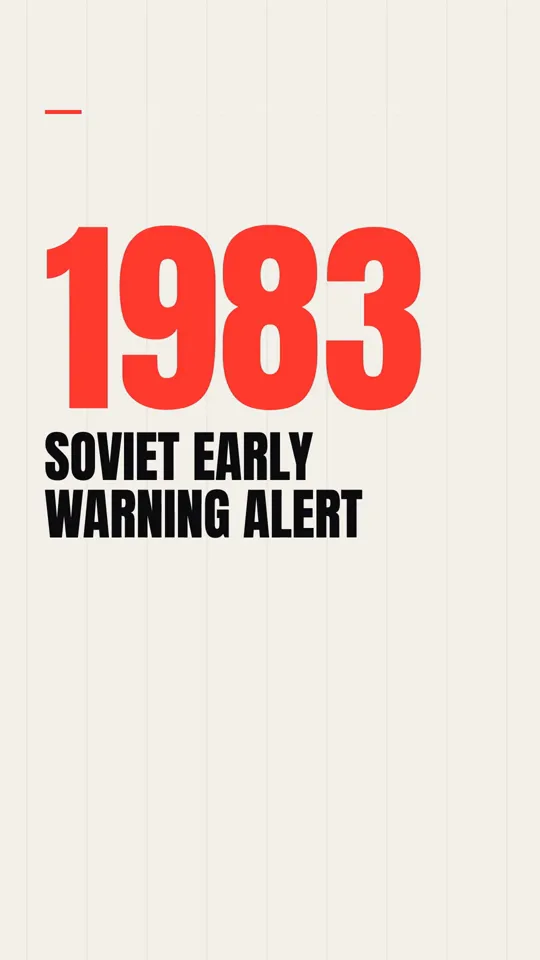
Kinetic type · 34 s
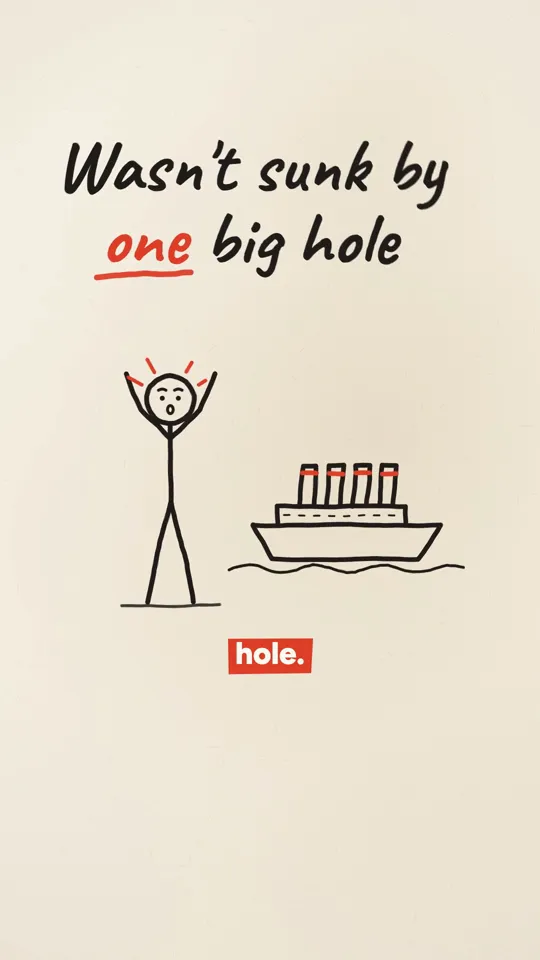
Ink stickman · 35 s
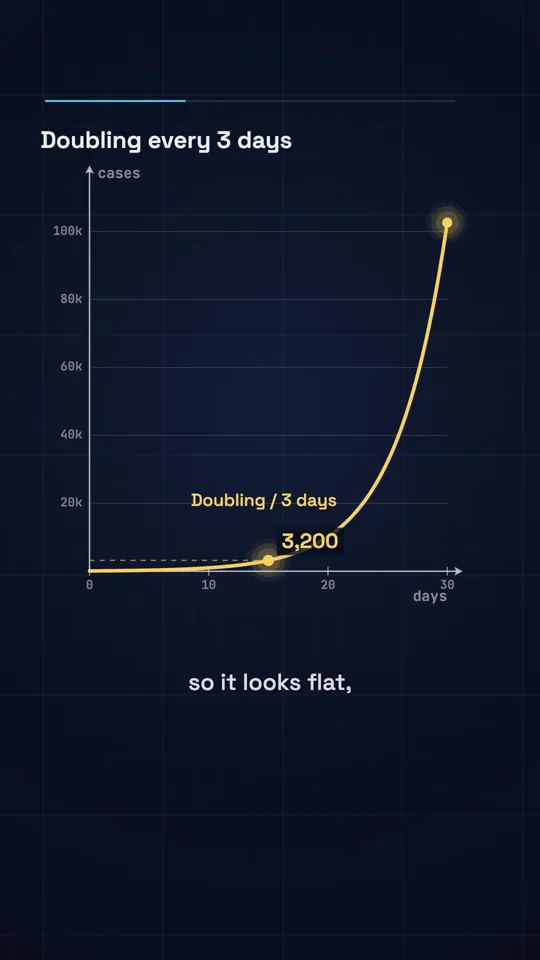
Diagram explainer · 41 s
Decide what the channel promises
A Shorts viewer decides in a second whether to keep watching, and decides over several Shorts whether to subscribe. The second decision needs a promise: a sentence a viewer could repeat about your channel. "Engineering disasters caused by tiny mistakes." "Money maths in 30 seconds." "History's near misses." Write yours before the first video and put it in every brief you give Claude.
Then pick one style and one format to deliver it. A channel that switches from kinetic type to stickman to stock footage teaches YouTube nothing about who should see it, and teaches viewers nothing about what they get by subscribing.
Build around a series
Series formats are the strongest pattern we found in the code-video posts doing well on X in late 2026: a stickman survival series with a DAY counter and two-choice endings, recurring "What if" space explainers, numbered episodes of one theme. A series gives viewers a reason to subscribe rather than just watch, and gives you a template for scripts that still allows every episode to be different.
- A recurring frame: the same opening move, the same counter or label, the same ending question.
- A new, specific story inside the frame each time. The frame repeats; the content never does.
- An episode number or a part number on screen, so a viewer who likes one goes looking for the rest.
- A playlist per series, linked from each Short's related video, so one view can turn into five.
Hooks and length
The opening two seconds decide whether a Short is swiped. Put the most surprising true thing on screen and in the first spoken line, at the same time. A new visual every two to three seconds keeps the eye busy; Claude can plan that beat grid for you if you ask for it explicitly in the storyboard.
Shorts can now run up to three minutes, but length is not a virtue. A 30 to 45 second Short that people watch to the end and replay usually does more than a 90 second one that loses half its viewers at 20 seconds. Write the script first, cut every sentence that does not move the story, and let the length be whatever is left.
Plan a Short for the series "[series name]".
Topic: [specific topic]. Source: [link].

Give me a beat list, one line per beat, with start times:
- 0.0 s  hook: the consequence, on screen and spoken
- every 2 to 3 s  a new visual (say what it is)
- the cause, in plain words
- the payoff line, held 1.5 s
- the ending question for comments (either-or)

Target 30 to 40 s. Max 6 words on screen at once. No invented
numbers; every figure must appear in the source.The vertical frame and its safe zones
Render at 1080 by 1920, 9:16. The Shorts player covers the bottom of the frame with the title, channel name and subscribe button, and the right edge with the like, comment and share buttons. On our renders every word and key visual stays inside x 90 to 910 and y 260 to 1420, and an automated check fails any frame where text leaves that box. The same box works for Instagram Reels, which saves a second render for layout.
What YouTube's inauthentic content policy says
YouTube requires monetized channels to publish original and authentic content. In July 2025 it renamed its old repetitious content rule to inauthentic content and clarified that it covers content that is mass-produced or repetitive: videos that look like they were made from a template with little variation, or uploaded at scale with minimal difference between them. The rule applies to the whole channel, and a channel that breaks it can be removed from the YouTube Partner Program.
The policy is not a ban on AI. YouTube is explicit that using AI tools to make content is allowed. What gets channels into trouble is the pattern that automation makes easy: the same template, the same voice reading near-identical scripts, the same music, dozens of times a week. Separately, YouTube asks you to disclose realistic altered or synthetic content when you upload. Code-drawn type and diagrams are not realistic footage, but AI-generated people, voices of real people or realistic scenes are.
- Every Short tells one specific story that no other episode tells.
- The visuals are built for that story: a different diagram, a different scene, not the same animation with new words.
- Scripts are written per episode and checked by a person. Read them aloud.
- Vary the music between videos instead of looping one track on all of them.
- Add something of your own: a point of view, a source, a correction, a reply to a comment.
- Do not mass-upload. A pace you can review beats a pace a script can sustain.
How often to post
YouTube does not publish a best cadence and we will not invent one. Consistency over months matters more than bursts. Use the cost to decide: at our measured $7 to $13 in API tokens per 60 second video made in an agentic Claude Code session, a Short a day is a meaningful weekly spend, and a template engine (about $0.10 to $0.15 to run per 30 second video) changes that maths entirely.
A practical start is four to seven Shorts a week for the first month, in one series, then adjust based on what the analytics say rather than on what a thread on X promised.
Read the analytics that matter
- Viewed versus swiped away: the share of people who chose to keep watching. This is your hook score.
- Average percentage viewed and the retention curve: where people leave. A cliff at 3 seconds is a hook problem; a slope from 15 seconds is a pacing problem.
- Subscribers gained per Short: whether the channel promise is landing.
- Traffic from the Shorts feed versus elsewhere: whether YouTube is testing the video with new viewers.
- Compare in batches. One Short is noise; ten Shorts in one format is a signal.
From Shorts to a channel that pays
Shorts can earn through the YouTube Partner Program, which has its own eligibility thresholds and rules, including the originality rules above. Shorts revenue per view is low compared with long-form, so many Shorts channels treat Shorts as discovery and add longer videos later. A code-drawn style helps here, because the same look works at 40 seconds and at ten minutes: our free RPM tables show how much the niche and the audience's country move what a view is worth.
Questions
Can I monetize a YouTube Shorts channel made with Claude?
Yes, if the channel meets the Partner Program requirements and its content is original and varied. AI-assisted channels are eligible; mass-produced and repetitive ones are not, whatever tools made them.
Does YouTube penalise AI-generated Shorts?
YouTube says AI use is allowed. Its enforcement targets inauthentic content (mass-produced, templated, repetitive) and undisclosed realistic synthetic content. A varied series of code-drawn explainers is neither.
How long should a YouTube Short be?
Shorts can run up to three minutes, but most strong single-story Shorts land around 30 to 45 seconds. Let the script decide, and cut anything that does not move the story.
Do I need to disclose that Claude made my Short?
YouTube's disclosure is for realistic altered or synthetic content that viewers could mistake for real. A script written with Claude, or animation drawn as code, does not need it. AI-generated realistic people, scenes or a real person's voice do.
What is the fastest way to make Shorts with Claude?
A tool that already has the styles and the pipeline. Video Studio turns a topic into a finished vertical video in about 3 minutes.
Sources
Cost and render figures are our own measurements from November 2026 unless a source says otherwise. View and revenue figures from creators are their own claims, linked so you can judge them.
- 01YouTube channel monetization policiesCovers the inauthentic content (mass-produced or repetitive) rule.
- 02YouTube Partner Program overview and eligibility
- 03YouTube: disclosing altered or synthetic content
- 04vidIQ: YouTube reused and inauthentic content explainedA third-party summary of the July 2025 rename.