
What counts as a faceless YouTube channel
Faceless does not mean anonymous or low effort. Some of the largest channels on YouTube never show a person: animated explainers, documentary narration, tutorials recorded from a screen, cooking shot from above, ambient and music channels. What they share is that the viewer comes for the subject, not the host.
That matters when you pick a format. A faceless channel has no personality on screen to hold attention, so the writing, the voice and the visuals have to do it. The channels that fail are almost always the ones that treated faceless as a shortcut: a robotic voice reading a list over stock clips.
| Format | What you make | What it needs from you |
|---|---|---|
| Animated explainer | Narration over type, drawings or diagrams | A good topic and a script worth hearing |
| Documentary narration | Voice over archive footage and stills | Research and footage rights |
| Screen recording | Tutorials, code, spreadsheets, game strategy | A real skill to demonstrate |
| Hands and process | Cooking, repair, craft, shot from above | A camera and the craft itself |
| Ambient and music | Long loops for sleep, study or focus | Original audio you have the rights to |
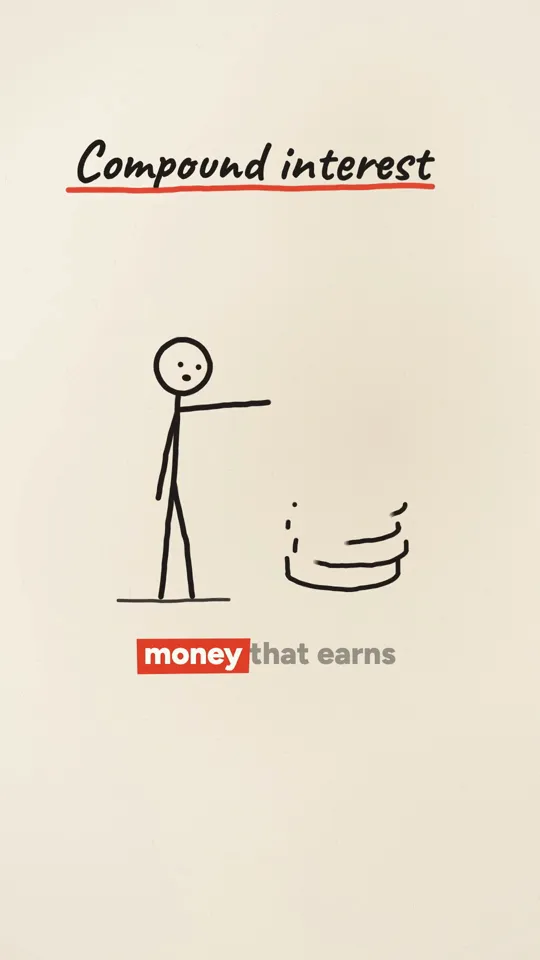
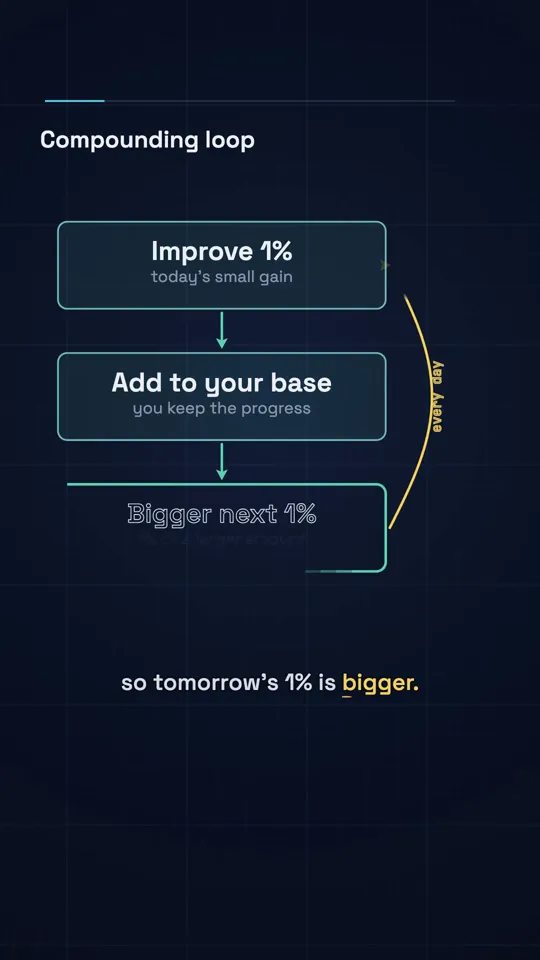
Video Studio makes the first kind: animated explainers, as vertical videos for Shorts.
Can a faceless YouTube channel be monetized?
Yes. YouTube's Partner Program has no rule about showing your face. The requirements are the same for every channel: 1,000 subscribers, plus either 4,000 public watch hours in the last 12 months or 10 million public Shorts views in the last 90 days. YouTube's help pages say that for channels applying from 1 February 2027 those become 8,000 hours or 20 million Shorts views.
What YouTube does refuse to pay for is inauthentic content: videos that are mass-produced or repetitive, where one upload is hard to tell from the next. It also excludes reused content, meaning other people's material with nothing meaningful added. Neither rule mentions AI or faces. A channel is judged on whether each video offers something of its own.
In practice that means three habits. Write about specific things rather than filling a template with new nouns. Check the script and change what you would not say yourself. And do not publish thirty near-identical videos a day because a tool makes it possible.
YouTube Partner Program requirements, now and from 1 February 2027
What a faceless channel actually earns
Most pages on this subject quote an income figure with no source. These are published ranges, and they are ranges because audience country, niche and season move them a lot.
What reaches the creator per 1,000 views, United States
| Video type | United States, per 1,000 views | YouTube's share to you |
|---|---|---|
| Shorts | about $0.05 to $0.30 | 45% of the Shorts revenue allocated to you |
| Long videos | about $2 to $11 | 55% of net ad revenue |
Ranges compiled from AIR Media-Tech, vidIQ, Hootsuite and Lenostube (2026); revenue share from YouTube Help. Estimates, not a promise of income.
Why the Shorts number changes your plan
A million Shorts views at those rates is roughly $50 to $300. That is real money, and it is far less than most faceless channel advice implies. Shorts are the fastest way to reach the subscriber requirement and to find out which topics people care about. They are rarely the whole business.
The channels that earn well usually use Shorts to grow and something else to earn: long videos on the topics that proved themselves, sponsors once the audience is clear, an affiliate product, or a newsletter. Plan for that from the start, and pick a niche where a second income stream exists.
Faceless niches that suit narration and drawings
Pick a niche you could make fifty videos about without running out of specific things to say. These suit an animated, narrated format, with a topic you could type in today:
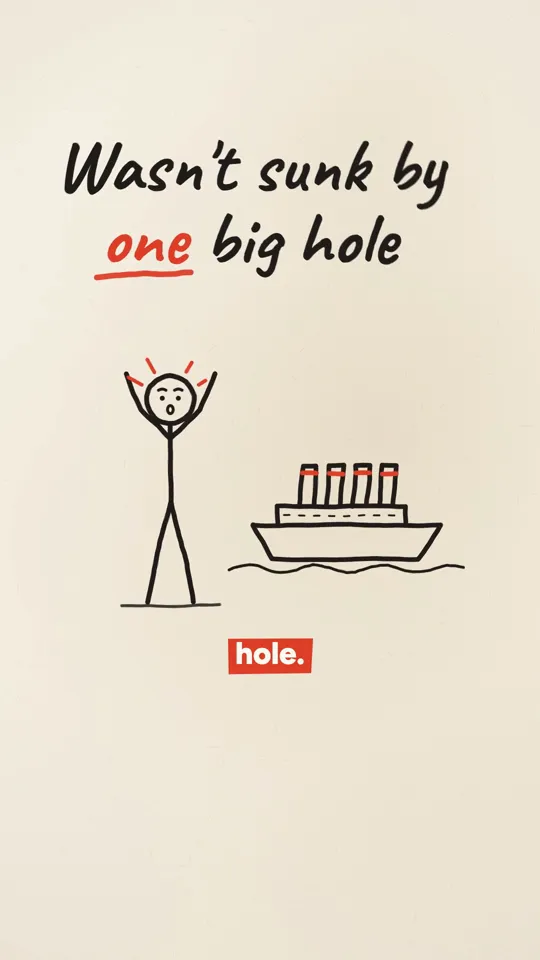
- History: "The Titanic's lookouts had no binoculars, because nobody had the key."
- Engineering failures: "The Mars probe lost to a mix-up between pounds and newtons."
- Personal finance: "What $200 a month becomes after 30 years of compound interest."
- Psychology: "Procrastination is not laziness: it is avoiding a feeling."
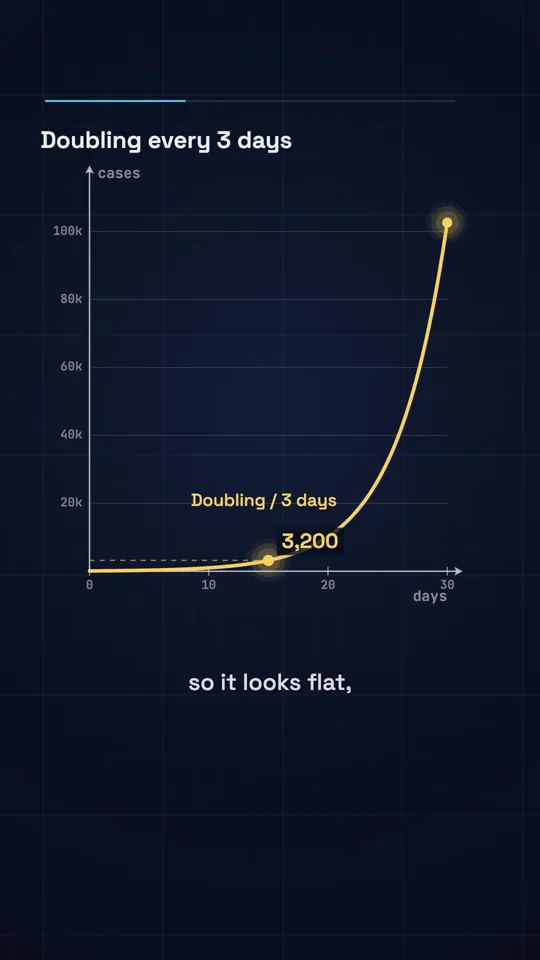
- Science and maths: "Why exponential growth always surprises people."
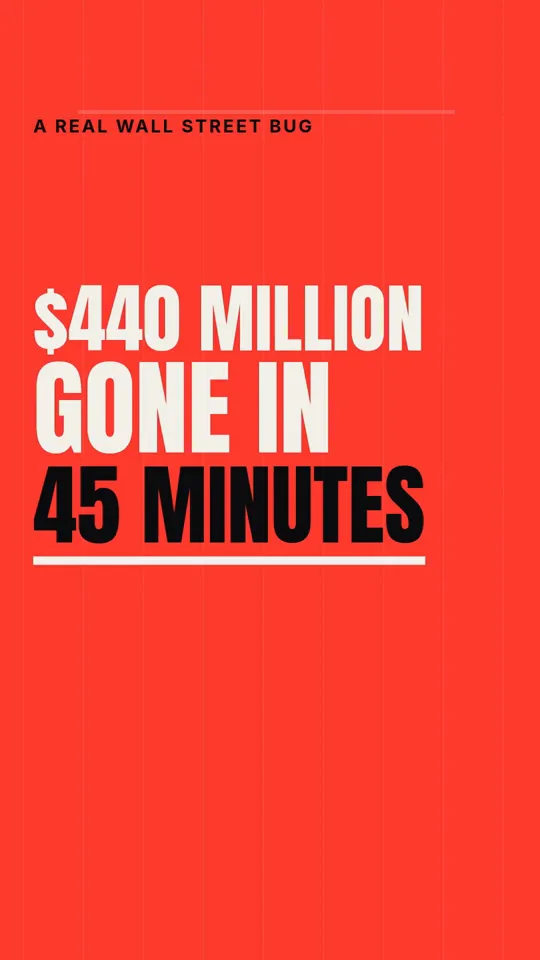
- Business stories: "How a trading firm lost $440 million in 45 minutes."
- Mythology and true stories told in episodes, where one video sets up the next.
Well-known faceless channels, and what each one shows
It helps to see how different faceless can look. These channels are widely known and none depends on a presenter's face. They are examples of formats, not of what a new channel should expect.
| Channel | Format | What to take from it |
|---|---|---|
| Kurzgesagt | Animated science explainers | One consistent illustration style makes every video recognisable before the title is read |
| LEMMiNO | Documentary narration over graphics and archive material | Depth of research is the product; uploads are rare and still watched |
| Lofi Girl | Continuous music streams with one animated scene | A faceless channel can be built on audio, if you own the rights to it |
| 3Blue1Brown | Maths explained with animations generated in code | Visuals built for the idea, not decoration, are what make a hard subject watchable |
| Daily Dose of Internet | Short narrated compilations of other people's clips, credited to their makers | Curation only works with the rights to the clips and something added, which is what the reused content policy asks for |
Descriptions of format only. We quote no subscriber counts or earnings for other people's channels.
What it costs to run one
Done by hand, a faceless Short needs a script, a voice, visuals cut to the voice, word-timed captions, music and an export. That is a few hours per video, or a freelancer for each step.
With Video Studio the first video is free (30 seconds, watermarked), so you can judge the output before paying anything. After that the Creator plan is $19 a month at the launch price for 500 credits, which is about 19 thirty-second videos. Posting every day is the Pro plan: $49 a month for 2,000 credits, about 75 videos, with posting and scheduling to YouTube from the app.
The cost that no tool removes is your attention: choosing topics people want, reading each script, and replying to comments. Budget twenty minutes a day for that and the channel will be better than most.
Thirty-second videos a month, by Video Studio plan
How to start a faceless YouTube channel in six steps
Pick one niche and one format
Choose a subject you can make fifty specific videos about, and one visual style. A channel that looks and sounds the same each time is easier to recognise and subscribe to.
Write ten topics before you make anything
Each topic should be a specific claim or question, not a broad subject. If you cannot list ten, the niche is too thin or too broad.
Create the channel and its packaging
Name, handle, a simple icon and a one-line description that says what the viewer gets. With no face to remember, the name and the look are the identity.
Make the first video
Type the first topic into Video Studio, read the script it drafts, pick a style and render. It takes about three minutes and the first one is free.
Post on a schedule you can keep
One a day is plenty. Three a week kept for six months beats thirty in the first week. On Pro and Studio you can schedule to YouTube from the app.
Read the numbers after twenty videos
Look at which topics held viewers to the end, make more of those, and drop the rest. Twenty videos is about the minimum before the pattern means anything.
Styles and what each video costs
Prices are fixed per style and length, shown before you render, and charged only for a finished video: a failed render refunds its credits automatically.
| Style | Best for | 30 s video | 60 s video |
|---|---|---|---|
| Kinetic type | Facts, money, history, hot takes | 26 credits | 42 credits |
| Ink stickman | Explainers, life lessons, how things work | 30 credits | 48 credits |
| Diagram explainer | Science, maths, money and data stories | 30 credits | 48 credits |
| Systems explained | How apps work, system design, tech explainers | 30 credits | 48 credits |
| Avatar explainer | Tutorials, product walkthroughs, how-to | 45 credits | 75 credits |
| Comic book | Scary stories, mythology, legends, superhero-style origin stories | 85 credits | 160 credits |
| 3D cartoon | Acts of kindness, school drama, family stories, fables and lessons | 85 credits | 160 credits |
| Anime | Anime stories, school drama, rivals and friendship, fantasy adventures | 85 credits | 160 credits |
| Cinematic | History, heists, survival stories, famous mysteries | 85 credits | 160 credits |
| Dark fantasy | Mythology, legends and curses, scary stories, epic battles | 85 credits | 160 credits |
| Painterly | Bible stories, history, fables, mythology | 85 credits | 160 credits |
| Noir crime | True crime, heists, detective stories, unsolved cases | 85 credits | 160 credits |
| Flat cosmos | Space and science, biology and the body, how big or small things are, nature | 30 credits | 48 credits |
| Clip collage | History and politics, how something happened, business stories, timelines | 30 credits | 48 credits |
| Morph math | Maths and logic, how algorithms work, probability, physics | 30 credits | 48 credits |
| Storytime | Funny true stories, fails and disasters, life lessons, weird history | 30 credits | 48 credits |
| Market chart | Company growth, markets and prices, economics, money myths | 30 credits | 48 credits |
| Countdown | Top 5 to top 10 lists, records and extremes, rankings, history's biggest | 30 credits | 48 credits |
| Starry swirl | Space and the night sky, science, history, calm explainers | 45 credits | 72 credits |
| Water lilies | Nature and biology, calm facts, gardens, wellness | 45 credits | 72 credits |
| Pointillist | Perception and the brain, science, colour and light | 45 credits | 72 credits |
| Golden mosaic | Gold, wealth and treasure, history, chemistry | 45 credits | 72 credits |
| Tomb mural | Ancient Egypt, history, mysteries | 45 credits | 72 credits |
| Renaissance fresco | Inventions and engineering, history, biographies | 45 credits | 72 credits |
| Bauhaus | Design and technology, how things work, systems | 45 credits | 72 credits |
| Pop art | Happy accidents and inventions, pop culture, brands | 45 credits | 72 credits |
| Art nouveau | Paris and Europe, architecture, history | 45 credits | 72 credits |
| Dunhuang mural | Silk Road and Asia, history, religion and culture | 45 credits | 72 credits |
| Persian miniature | Ancient engineering, Middle East history, travel | 45 credits | 72 credits |
| Night diner | Sleep and the mind, late-night science, city life | 45 credits | 72 credits |
| Tilt-shift miniature | Cities and travel, logistics and transport, real estate, how a place works | 45 credits | 72 credits |
| Brick toy | Kids and family, how things are built, startups and products, space and science | 45 credits | 72 credits |
| Pop-up book | Stories and fables, kids and family, history, travel | 45 credits | 72 credits |
| Newsreel | History, inventions, business origin stories, world records | 45 credits | 72 credits |
| Impasto oil | Art and culture, history, emotional stories, cities at night | 45 credits | 72 credits |
| Urban sketch | Travel and places, city guides, food and cafes, architecture | 45 credits | 72 credits |
| Shadow puppets | Folk tales and legends, history, kids stories, moral lessons | 45 credits | 72 credits |
| Low-poly island | Games and tech, world building, climate and nature, startups | 45 credits | 72 credits |
| Isometric picture book | How things work, cities and buildings, jobs and industries, kids and family | 45 credits | 72 credits |
| HD-2D | Gaming, fantasy and legends, history as adventure, self-improvement quests | 45 credits | 72 credits |
| White model | Architecture and cities, urban planning, engineering, product design | 45 credits | 72 credits |
| Sci-fi toon | Science and tech, weird facts, comedy explainers, gaming | 45 credits | 72 credits |
| Glass product | Product launches, tech and gadgets, luxury, beauty | 45 credits | 72 credits |
| Satellite briefing | Geography and borders, climate and disasters, mega projects, military history | 45 credits | 72 credits |
| Archive light table | History, archives and discoveries, biographies, investigations | 45 credits | 72 credits |
| Microscope | Biology and health, science explainers, food and fermentation, germs and immunity | 45 credits | 72 credits |
| LiDAR scan | Cities and infrastructure, archaeology and ruins, engineering, disasters and change | 55 credits | 88 credits |
| Riso print | Indie brands, lifestyle, zines, music | 30 credits | 48 credits |
| Amber terminal | Tech history, hacking and security, developer tools, sci-fi | 30 credits | 48 credits |
| Swiss grid | Design and architecture, brand stories, business explainers, events | 30 credits | 48 credits |
| Case file | True crime, mysteries, funny investigations, pets and animals | 30 credits | 48 credits |
| Game show | Quizzes and trivia, rankings, kids and family, year in review | 30 credits | 48 credits |
| Blueprint | Engineering, how things work, inventions, hardware | 30 credits | 48 credits |
| Gilded deco | Luxury and fashion, galas and events, jazz-age history, hotels and travel | 30 credits | 48 credits |
| Chalkboard | Lessons and explainers, myth-busting, word origins, math and science | 30 credits | 48 credits |
| Whiteboard | How-to explainers, online courses, business ideas, productivity | 30 credits | 48 credits |
| Dark keynote | Product launches, tech and AI news, startups, SaaS tips | 30 credits | 48 credits |
| Feed news | News explainers, money and markets, viral facts, data shorts | 30 credits | 48 credits |
| News bulletin | Weekly round-ups, breaking explainers, market updates, sports news | 30 credits | 48 credits |
| Atomic fifties | How-to and set-up guides, home and cooking, retro brands, life hacks | 30 credits | 48 credits |
| Rubber hose reel | Food and drink, retro brands, fun history, kids | 30 credits | 48 credits |
| Silent intertitle | History stories, anniversaries, old inventions, comedy | 30 credits | 48 credits |
| Ink wash | Philosophy and quotes, culture and history, calm explainers, poetry | 30 credits | 48 credits |
| Woodblock wave | Travel, Japan and culture, nature and the sea, history | 30 credits | 48 credits |
| Woodcut | Folk tales, dark history, craft brands, book stories | 30 credits | 48 credits |
| Copperplate | Science and nature, museums and heritage, old maps and explorers, medicine history | 30 credits | 48 credits |
| Travel poster | Travel and places, city guides, outdoors, events | 30 credits | 48 credits |
| Sixties titles | Mysteries and heists, spy and war history, trailers, fashion | 30 credits | 48 credits |
| Pictogram grid | Catalogues and countdowns, city and public services, step-by-step guides, brand facts | 30 credits | 48 credits |
| Circuit board | Energy and electricity, chips and computers, supply chains, how the internet works | 30 credits | 48 credits |
| Transit map | Cities and transport, growth over time, networks, travel tips | 30 credits | 48 credits |
| Data story | Data journalism, economics, climate and science, health statistics | 30 credits | 48 credits |
| Hologram HUD | Space and future tech, specs and comparisons, gaming, AI | 30 credits | 48 credits |
| 16-bit quest | Gaming, nostalgia, level-up and self improvement, fantasy and lore | 30 credits | 48 credits |
| Neon night | Music, retro tech and games, night life, cars | 30 credits | 48 credits |
| Stained glass | Legends and myths, medieval history, heritage, holiday stories | 30 credits | 48 credits |
| Red paper-cut | Festivals and holidays, folk tales, greetings, food traditions | 30 credits | 48 credits |
| Paper lightbox | Journeys and travel, bedtime and calm stories, places and memories, anniversaries | 30 credits | 48 credits |
| Crayon book | Kids and family, bedtime stories, simple science, feel-good facts | 30 credits | 48 credits |
| Watercolour journal | Nature and travel, food and gardening, wellbeing, science of everyday life | 30 credits | 48 credits |
| One line | Brand stories, life lessons, minimal ads, psychology | 30 credits | 48 credits |
| Memphis pop | Lifestyle and design, pop culture, fun facts, fashion | 30 credits | 48 credits |
| Agit-prop | Industry and labour history, big achievements, revolutions, manifestos | 30 credits | 48 credits |
| Found tape | Mysteries and unsolved cases, creepy facts, internet legends, psychology | 30 credits | 48 credits |
| Match analysis | Sports analysis, strategy and tactics, competition stories, business rivalries | 30 credits | 48 credits |
| Night city | Cities and urbanism, economy and scale, commuting and work, night life | 30 credits | 48 credits |
| Isometric blocks | Process explainers, supply chains, how companies work, logistics | 30 credits | 48 credits |
Creator $19/month for 500 credits (about 19 videos), Pro $49 for 2,000 (about 75), Studio $99 for 4,500 (about 170). Counts assume 30 s Kinetic type videos. Cancel any time.
What it does not do yet
Worth knowing before you sign up. These are coming soon and are not live today.
- Posting to Instagram and TikTok from the app. Posting and scheduling to YouTube work today on Pro and Studio; for the other two you download the MP4 and upload it yourself.
- Series and autopilot, where a new episode is made on a schedule without you starting each one.
- Gameplay split-screen and fake text conversation formats.
Questions
Do faceless YouTube channels make money?
They can. YouTube pays faceless channels on the same terms as any other once they join the Partner Program. Shorts pay roughly $0.05 to $0.30 per 1,000 views in the United States and long videos roughly $2 to $11, according to published 2026 ranges, so most faceless channels that earn well combine ads with sponsors, affiliates or long videos.
Can a faceless channel using AI get monetized?
Yes, if each video has something of its own. YouTube's policy excludes inauthentic content, meaning mass-produced or repetitive videos, and reused content. It does not exclude AI voices or animation. Check each script, keep topics specific, and avoid near-identical uploads.
Do I have to tell YouTube a video used AI?
YouTube asks creators to disclose content that is realistic and altered or synthetic, such as a real person appearing to say something they did not. Clearly animated or unrealistic content, and AI used for help with scripts or captions, does not need the label under YouTube's own guidance. Read the current help page before you decide.
What are some well-known faceless YouTube channels?
Kurzgesagt (animated science), LEMMiNO (documentary narration), Lofi Girl (music streams), 3Blue1Brown (maths animated in code) and Daily Dose of Internet (narrated compilations) are widely known examples. They show five different formats, and each makes something of its own, which is what YouTube's monetization policy asks for.
Do I need to record my own voice?
No. Video Studio records the voiceover with ElevenLabs and times the captions to it. If you prefer your own voice, that is a fine reason to make videos by hand instead.
Should a new faceless channel post Shorts or long videos?
Start with Shorts to find topics and reach 1,000 subscribers, then add long videos on the topics that worked, because long videos pay many times more per view. Video Studio makes vertical videos of 30 or 60 seconds and 16:9 videos of several minutes.
How long until a faceless channel is monetized?
Nobody can tell you honestly. It depends on the niche, the topics and how consistently you post, and many channels never reach the requirements. Treat any page that promises a timeline as selling something.
Is it too late to start a faceless channel?
The lazy version is over: stock clips and a flat voice reading lists are everywhere and YouTube does not pay for them. A channel with specific topics, a consistent look and scripts someone actually read is still uncommon.
How much does it cost to start?
Nothing to try: creating a channel is free and your first Video Studio video is free. After that, plans start at $19 a month at the launch price.
Sources
- YouTube Help: YouTube Partner Program overview and eligibility
- YouTube Help: YouTube partner earnings overview: 55% of net ad revenue on long videos, 45% of allocated Shorts revenue
- YouTube Help: changes to Partner Program eligibility: requirements from 1 February 2027
- YouTube Help: channel monetization policies: inauthentic content and reused content
- YouTube Help: disclosing altered or synthetic content
- AIR Media-Tech: what RPM to expect from Shorts in 2026
- Hootsuite: how much does YouTube pay